AI Is Changing Not Just How We Write, But How We Sound
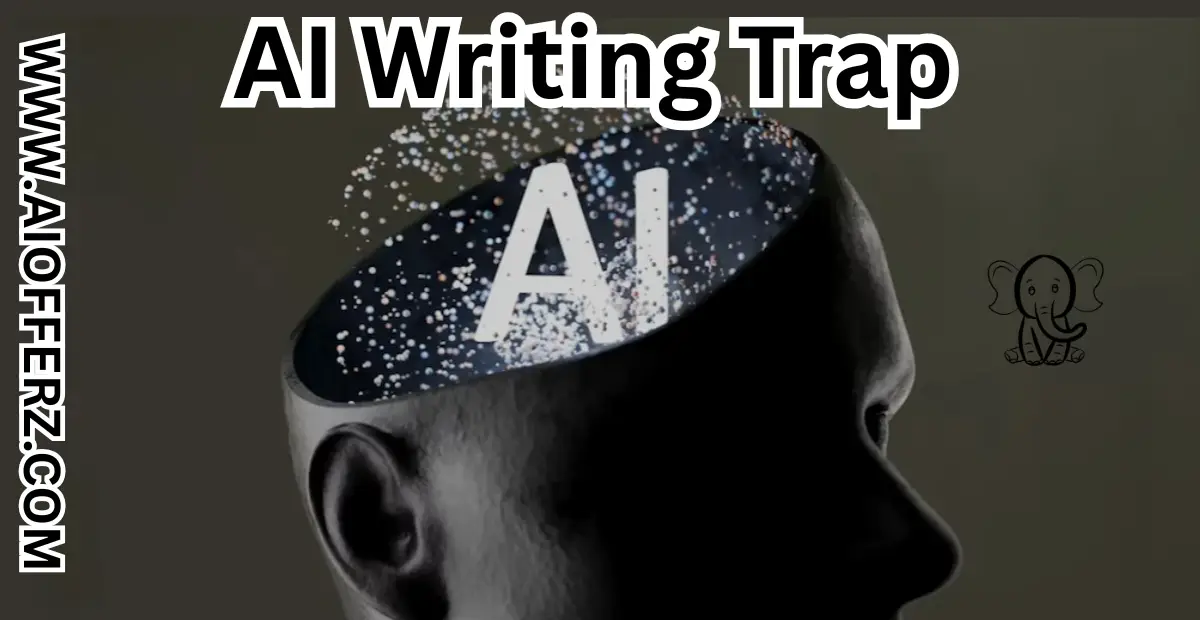
The rapid rise of generative artificial intelligence has transformed writing across workplaces, classrooms, newsrooms, and social media. While AI tools have made content creation faster and more accessible, experts are increasingly warning about an unexpected consequence: millions of people are beginning to write in remarkably similar ways.
According to industry observers, the issue is not that AI produces poor writing. Instead, modern AI systems are trained to predict the most likely sequence of words based on vast amounts of existing content. As a result, they often generate polished but familiar sentence structures, repetitive phrases, and predictable conclusions.
Why AI-Generated Writing Feels Familiar
Language models learn from billions of documents and naturally favor expressions that appear most frequently. This means phrases, transitions, and persuasive writing patterns are repeated across countless AI-generated articles, emails, speeches, and social media posts.
Communication experts say this creates content that is grammatically strong but often lacks the unique voice, personal experiences, and unexpected insights that make human writing memorable. Researchers have also found that AI-assisted editing can make writing more homogeneous, even when people begin with their own original drafts.
Human Creativity Still Matters
Writers, educators, and business leaders argue that AI should be viewed as a productivity tool rather than a replacement for original thinking. AI can help organize ideas, improve grammar, summarize information, and speed up research, but authentic storytelling still depends on personal knowledge, emotion, and lived experience.
Experts believe the strongest writing combines AI’s efficiency with genuine human creativity. Readers are increasingly able to recognize content that feels overly polished yet emotionally distant, making authenticity more valuable than ever.
Finding the Right Balance
As AI becomes part of everyday communication, many professionals are adapting by using these tools to refine their work instead of allowing them to write entire pieces from scratch. The goal is to preserve originality while benefiting from faster editing and research.
The debate over AI writing continues to grow, but one message is becoming increasingly clear: technology can improve the writing process, yet it cannot fully replace an individual’s perspective, creativity, or unique voice. In an age where many pieces of content sound alike, originality may become the most valuable skill of all.