AI Adoption Reshapes China’s Workforce
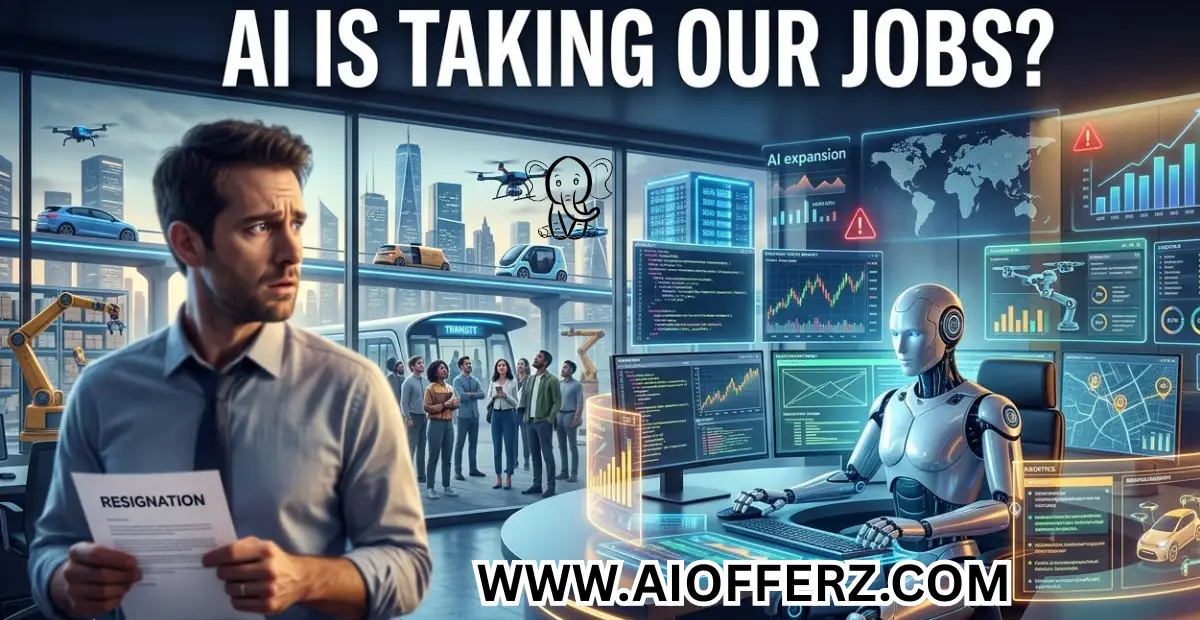
China’s rapid adoption of Artificial Intelligence is transforming industries at an unprecedented pace, but it is also raising growing concerns about employment. From autonomous robotaxis to AI-powered creative software, many workers across the country are experiencing firsthand how automation is changing traditional jobs.
In cities like Wuhan, where driverless taxi services have expanded in recent years, many taxi drivers report a significant decline in earnings as AI-powered vehicles compete for passengers. Some drivers say their income dropped sharply after autonomous taxis entered the market, highlighting the real-world effects of AI-driven automation.
Gig Workers and Professionals Face New Challenges
The impact of AI is no longer limited to factory automation. White-collar professionals, freelancers, and creative workers are also seeing major changes. AI tools capable of generating videos, writing content, editing images, and assisting with software development are reducing the time and manpower required for many tasks.
Industry experts note that China has witnessed rapid growth in flexible and gig-based employment over the past several years. As AI systems continue improving, many workers fear that opportunities in transportation, customer service, media production, and administrative roles could become increasingly limited.
While AI creates new opportunities in data science, robotics, cybersecurity, and AI engineering, many existing workers worry that retraining may not happen quickly enough to offset job displacement.
Government Balances Innovation with Employment
Chinese authorities continue to promote Artificial Intelligence as a key driver of economic growth and technological leadership. At the same time, policymakers have acknowledged that AI brings new challenges for employment, labour rights, and workforce stability.
Government officials have indicated that future AI development should support both innovation and job creation while encouraging businesses to use AI responsibly. Analysts believe authorities may introduce additional workforce policies, training programs, and employment protections as AI adoption accelerates.
The Future of Work Enters a New Era
Technology experts believe Artificial Intelligence will continue reshaping nearly every major industry over the coming decade. While AI promises higher productivity, smarter services, and faster innovation, it also raises important questions about workforce adaptation and long-term employment.
For many workers in China, the AI revolution is no longer a future prediction—it is already changing daily life. As businesses invest more heavily in automation, success may increasingly depend on learning new digital skills and adapting to an AI-powered economy.