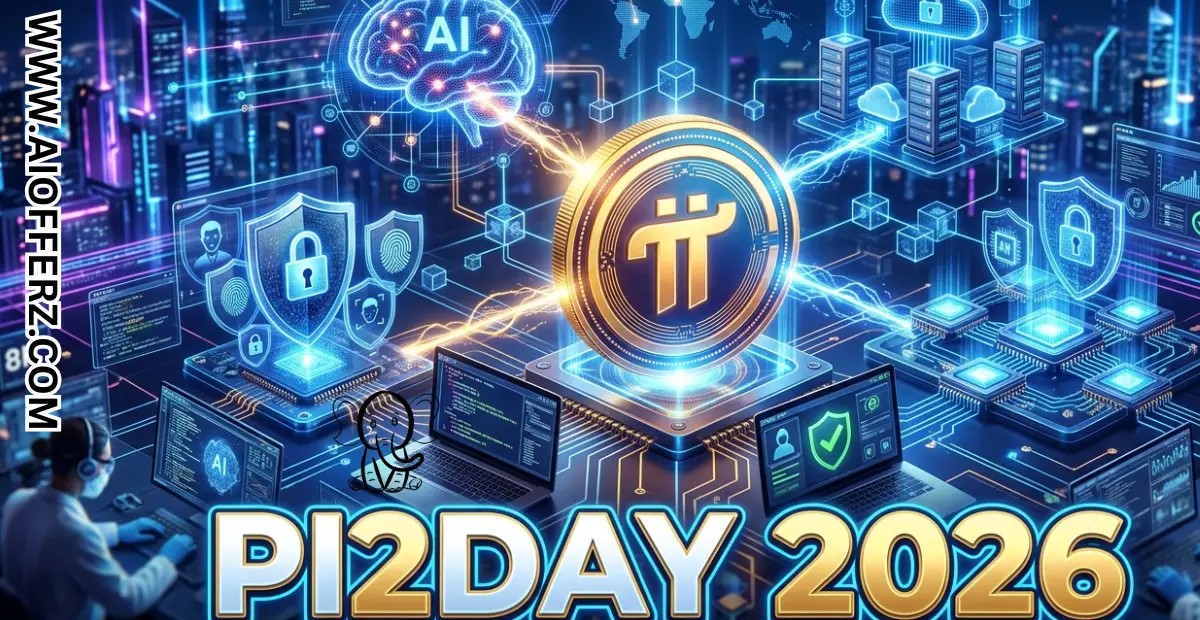
Pi Network Unveils Major Ecosystem Enhancements on Pi2Day 2026
Pi Network has marked Pi2Day 2026 by introducing a series of new features designed to expand the practical use of its ecosystem beyond its own platform. The latest announcements focus on three key areas—compute, artificial intelligence, and digital identity—as the blockchain project looks to strengthen its real-world utility for developers, businesses, and everyday users.
The company said the new releases are intended to make Pi’s infrastructure more accessible to external developers and organizations while encouraging wider adoption of its services. The strategy reflects Pi Network’s broader vision of becoming more than just a cryptocurrency by offering tools that support AI applications, identity verification, and decentralized computing.
New Services Focus on AI, Compute and Identity
Among the biggest announcements is SoloHost, a new open framework that allows developers to build and run local AI applications on their own computers through Pi Desktop. The platform aims to simplify deployment by reducing the technical barriers typically associated with self-hosted software while enabling users to keep AI processing and data on their own devices.
Pi Network also introduced Pi Sign-in, which enables users to log into supported third-party websites and applications using their Pi accounts. The feature is designed to extend Pi’s identity system beyond its native ecosystem, making integration easier for external developers and businesses.
Another key addition is PiVerify, an identity verification service that allows external organizations to use Pi’s Know Your Customer (KYC) infrastructure for verifying real users. The company believes this service can help businesses reduce fake accounts while improving trust and compliance.
Expanding Beyond Cryptocurrency
Pi Network says these launches demonstrate its shift toward building a broader digital ecosystem where blockchain, AI, and identity services work together. The company believes growing demand for secure digital identity, local AI computing, and privacy-focused applications creates new opportunities for its platform.
Industry observers note that the latest updates position Pi Network as an ecosystem focused on utility rather than token trading alone. By providing tools for developers and enterprises, the platform hopes to attract more real-world applications and strengthen user engagement.
As artificial intelligence continues reshaping digital services, Pi Network’s latest Pi2Day announcements highlight its ambition to become a platform that combines decentralized infrastructure with practical AI and identity solutions for a wider global audience.