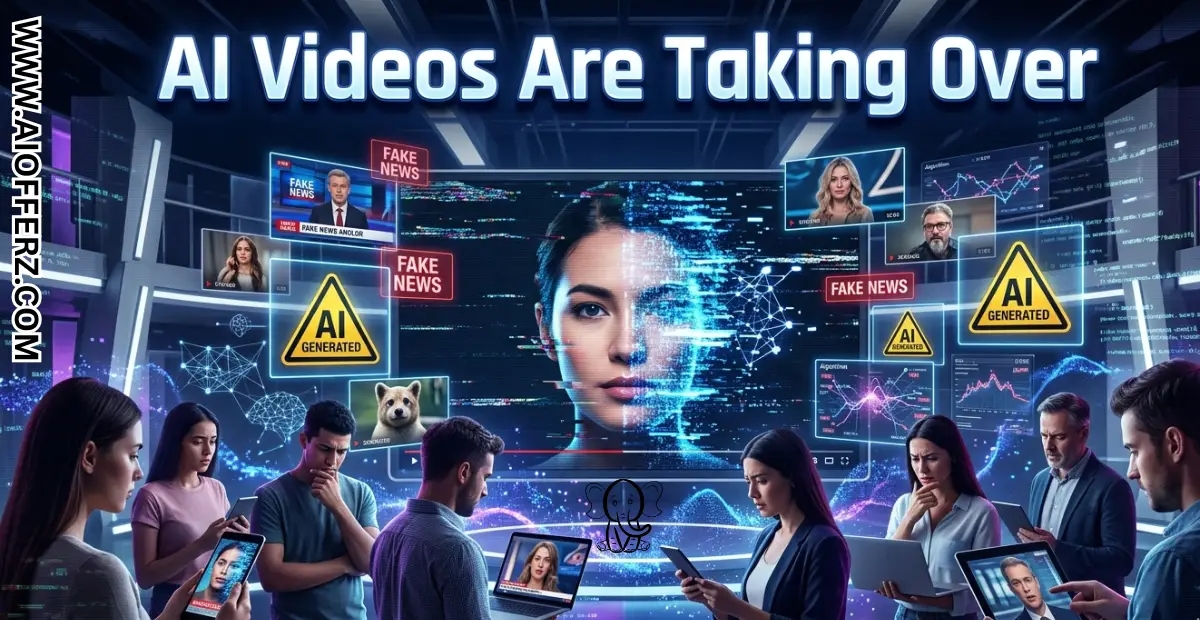
As artificial intelligence continues to flood the internet with realistic-looking videos, YouTube is introducing stricter transparency rules aimed at helping viewers identify AI-generated content more easily.
The platform says creators will now be required to clearly label videos that use realistic artificial intelligence visuals or voices, especially when the content could confuse audiences or spread misinformation.
The move comes during a period when AI-generated media is rapidly becoming harder to distinguish from real footage.
Across social media platforms, users are increasingly encountering fake interviews, digitally created influencers, synthetic news clips, and manipulated celebrity videos generated entirely using AI tools.
YouTube Wants More Transparency Around AI Content
Under the updated policy, creators uploading videos with significant use of photorealistic AI will need to disclose that the content was digitally generated or altered.
If creators fail to do so, YouTube says it may automatically apply labels after detecting AI-generated elements itself.
The platform stated that viewers have consistently asked for more transparency about AI-created material. Instead of hiding labels in descriptions, YouTube plans to display visible notices directly on videos so users can immediately understand when content is not fully real.
The company emphasized that the goal is not to ban AI-generated videos, but to provide context. AI-created content will still remain eligible for recommendations and monetization in many cases, meaning creators can continue earning revenue from such videos as long as they follow platform guidelines.
AI Content Explosion Raises New Internet Concerns
The rise of generative AI has dramatically changed online content creation over the past two years.
Technology companies worldwide are investing heavily in AI tools, with many integrating automated systems into search engines, productivity software, video editing, and entertainment platforms.
However, critics argue that the rapid expansion of AI-generated media is also increasing risks related to misinformation, deepfakes, and public trust.
Experts warn that realistic fake videos could influence political opinions, manipulate audiences, or spread false narratives if not clearly identified.
YouTube’s latest move reflects a growing industry-wide push toward AI transparency.
Governments and regulators in several countries are also discussing new rules requiring disclosure of AI-generated content online.
While AI continues transforming digital creativity and media production, platforms now face increasing pressure to balance innovation with authenticity. For viewers, the challenge is becoming clear: in the AI era, seeing may no longer mean believing.